Personal injury law exists to protect individuals who suffer harm due to another party’s negligence or misconduct. In Washington State, personal injury cases arise in many everyday situations, from traffic collisions to workplace incidents and unsafe premises. Understanding the most common types of personal injury claims can help injured individuals recognize when legal guidance may be appropriate and what factors influence a successful claim.
Washington follows a fault-based system for most injury cases, meaning the party responsible for causing the injury may be held financially accountable. The state also applies comparative negligence rules, which can affect compensation depending on how responsibility is shared. With these principles in mind, it is useful to explore the types of cases that most frequently arise.
Why Understanding Personal Injury Categories Matters
Not all injury cases are treated the same under the law. Each category involves different evidence, legal standards, and timelines. Early awareness helps injured individuals protect their rights and make informed decisions.
Consulting an Redmond personal injury attorney early in the process can help clarify how Washington law applies to a specific situation, especially when injuries result in long-term medical needs, lost income, or disputed liability.
Knowing the common categories below provides a strong foundation for understanding how claims are evaluated.
Motor Vehicle Accidents
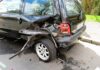
Motor vehicle accidents are among the most common sources of personal injury claims in Washington. These include:
- Car accidents involving distracted or impaired drivers
- Truck and commercial vehicle collisions
- Motorcycle accidents
- Pedestrian and bicycle crashes
Washington law requires drivers to carry liability insurance, but insurance coverage does not always reflect the full extent of damages. Medical costs, rehabilitation, lost wages, and pain-related impacts often exceed initial settlement offers. Vehicle collisions frequently result in serious injuries such as spinal cord trauma, fractures, internal bleeding, and traumatic brain injuries, all of which significantly influence case evaluation.
Key factors in vehicle accident cases include police reports, witness statements, medical records, and traffic laws. Comparative fault may apply if more than one party contributed to the collision.
Slip and Fall and Premises Liability Claims
Property owners in Washington have a duty to maintain reasonably safe conditions for visitors. When hazards are ignored, injuries may occur. Common premises liability cases include:
- Slips on wet or icy surfaces
- Trips caused by uneven flooring or loose carpeting
- Falls due to poor lighting or missing handrails
These cases often depend on whether the property owner knew or should have known about the dangerous condition. Evidence such as maintenance records, photographs, and surveillance footage can be critical.
For additional context, many legal publishers provide educational resources on premises safety standards that help explain owner responsibilities under state law.
Workplace and Construction Site Injuries
While workers compensation covers many job-related injuries, some workplace incidents may lead to personal injury claims outside the workers’ compensation system. This often occurs when a third party is involved.
Examples include:
- Injuries caused by defective equipment
- Accidents involving subcontractors or vendors
- Vehicle-related injuries while on the job
Construction sites pose higher risks due to heavy machinery, elevated work areas, and multiple parties operating simultaneously. Determining liability requires careful investigation.
Medical Negligence and Healthcare Errors
Medical negligence occurs when a healthcare provider fails to meet accepted standards of care, resulting in injury. Common examples include:
- Surgical errors
- Misdiagnosis or delayed diagnosis
- Medication mistakes
- Birth-related injuries
These cases are complex and often require expert medical testimony. Washington law imposes specific procedural requirements, including limitations on filing timelines. Understanding these requirements is essential before pursuing a claim.
Product Liability Cases
Manufacturers and distributors have a responsibility to ensure that products are safe for intended use. When defective or dangerous products cause injury, product liability claims may arise.
Examples include:
- Faulty vehicle components
- Defective medical devices
- Unsafe consumer goods or tools
Product liability cases may involve design defects, manufacturing flaws, or inadequate warnings. Injured consumers may not need to prove negligence if the product is found to be unreasonably dangerous.
Dog Bites and Animal-Related Injuries
Washington has strict liability laws for dog bites. This means a dog owner may be held responsible for injuries caused by their dog regardless of prior behavior, with limited exceptions.
Dog bite injuries can lead to significant medical treatment, scarring, and emotional distress. Claims may involve homeowners’ insurance coverage and local animal control regulations.
Assault and Negligent Security Claims
In some situations, injury results from intentional acts such as assault. While criminal charges may apply, victims may also pursue civil claims.
Additionally, negligent security claims arise when property owners fail to provide reasonable safety measures, such as adequate lighting or security personnel, leading to foreseeable harm.
These cases often depend on prior incident history and whether reasonable precautions were in place.
How Washington’s Comparative Negligence Rule Affects Claims
Washington follows a pure comparative negligence system. This means compensation may be reduced by the percentage of faults assigned to the injured party.
For example, if an injured person is found to be 20 percent responsible for an accident, their compensation is reduced by that amount. Understanding how fault is evaluated is essential when assessing potential outcomes.
Time Limits for Filing Personal Injury Claims
Washington law sets strict statutes of limitations for personal injury cases. In most situations, claims must be filed within three years of the injury date. Missing this deadline can result in losing the right to seek compensation entirely.
Certain cases, such as those involving minors or government entities, may involve different timelines. Early evaluation helps preserve evidence and meet procedural requirements.
Conclusion
Personal injury cases in Washington arise from many different circumstances, each governed by specific legal standards and evidentiary requirements. From vehicle accidents and unsafe properties to medical negligence and defective products, understanding the most common categories helps injured individuals recognize when legal action may be appropriate.
Education is a critical first step. Knowing how liability works, what evidence matters, and how timelines apply allows individuals to protect their interests and make informed decisions after an injury.