Not all car accidents are legally alike. The physics of the collision determines the injuries, and the geometry of the collision usually determines who is at fault — which is why an experienced lawyer will ask how the vehicles came together before asking almost anything else.
This guide runs through the main collision types, the injuries and liability arguments associated with each, and what a lawyer actually does that a claimant handling it alone typically cannot.
Key Takeaways
- Rear-end collisions carry a strong presumption of fault against the following driver, but it is a presumption, not a rule.
- T-bone and left-turn crashes usually turn on right of way, and independent evidence — video, event data, witnesses — decides them.
- Single-vehicle and rollover crashes are frequently blamed on the driver when a road defect, tyre failure or vehicle design issue was involved.
- Most states apply comparative fault, so partial blame reduces rather than eliminates recovery; a few still bar it entirely.
- Whether you live in a no-fault or at-fault state changes the entire claim structure.
Rear-End Collisions
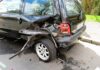
The most common crash type, and the one people assume is automatically the following driver’s fault. Usually it is — drivers are required to maintain a safe following distance and to keep a proper lookout — but the presumption can be rebutted. A lead driver who brake-checked, reversed, stopped suddenly to make an unsignalled turn, or was driving with non-functioning brake lights can carry part or all of the fault. A third vehicle pushing the middle car forward in a chain reaction shifts liability again.
The characteristic injury is whiplash and cervical soft-tissue damage, which insurers discount aggressively because it does not show on imaging. Two practical points make a large difference: seek evaluation promptly even if you feel functional, because adrenaline masks symptoms for a day or more, and describe symptoms consistently at every visit. Gaps in treatment are the single most effective argument an adjuster has for reducing a soft-tissue claim.
T-Bone and Side-Impact Collisions
Side impacts are disproportionately serious because only the door and pillar sit between the occupant and the striking vehicle. They typically occur at intersections and produce genuine factual disputes — each driver insisting the light was green for them.
These cases are won on independent evidence. Intersection and business surveillance cameras, dashcams, traffic signal timing data obtained from the municipality, event data recorder downloads showing speed and braking, and independent witnesses all outweigh two contradictory accounts. Almost all of that material has a short shelf life, which is why counsel involved in the first weeks can secure evidence that is simply unavailable later.
Head-On Collisions
The least common of the major types and the most lethal, because the closing speed combines both vehicles. Causes cluster around wrong-way entry, crossing a centre line while impaired or fatigued, and unsafe overtaking.
Damages in these cases frequently exceed the at-fault driver’s policy limits, which makes the search for additional coverage central: underinsured motorist coverage on the victim’s own policy, an employer’s policy if the driver was working, commercial umbrella coverage, and in some states dram shop liability where a bar over-served a visibly intoxicated patron.
Left-Turn and Intersection Crashes
A driver turning left across traffic generally must yield to oncoming vehicles, so the turning driver starts at a disadvantage. That does not settle it. If the oncoming vehicle was speeding substantially, ran a red light, or was travelling without lights at night, fault shifts or is shared. Reconstruction from crush damage and rest positions frequently establishes an approach speed that contradicts the driver’s account.
Sideswipe and Lane-Change Collisions
Often minor, occasionally catastrophic when they push a vehicle into a barrier or another lane. Fault normally rests with the driver who left their lane, and the recurring disputes are over blind spots, signalling, and simultaneous lane changes into the same gap. Paint transfer and the location of damage along each vehicle usually resolve the geometry.
Rollovers and Single-Vehicle Crashes
These are routinely written off as driver error, and that assumption costs claimants a great deal. A rollover can be caused by a tyre tread separation, a design defect affecting stability, a roof structure that crushed beyond what it should have withstood, or a seatbelt or airbag that failed to perform. A single-vehicle departure from the road can be caused by a poorly maintained shoulder, a missing guardrail, standing water from inadequate drainage, or an obscured sign.
These become product liability or governmental liability claims rather than ordinary negligence cases, and both have special requirements. Claims against public entities in particular carry very short notice deadlines — sometimes a few months — that are entirely separate from the ordinary statute of limitations. Preserving the vehicle rather than allowing the insurer to salvage it is essential, because the vehicle is the evidence.
Multi-Vehicle Pile-Ups
Chain reactions in fog, on ice, or in stopped highway traffic produce the most complicated liability analysis, with multiple insurers each blaming someone else and total damages often exceeding available coverage. Sequencing the impacts through vehicle damage patterns and data recorder timestamps is the core of the work, and early involvement matters because the first claimants to establish liability against a limited policy tend to fare best.
Commercial Truck and Rideshare Collisions
A collision involving a commercial vehicle is a different case entirely. Federal motor carrier regulations govern driver hours, qualification, drug testing, inspection and maintenance, and violations of those rules provide evidence of negligence. Electronic logging data, driver qualification files, maintenance records and post-accident testing are all discoverable — and carriers have retention schedules, so a preservation letter needs to go out immediately.
Rideshare crashes turn on which coverage layer applies, and that depends on whether the app was off, on and waiting, or engaged with a passenger. The available limits differ dramatically between those states, which is why the driver’s app status at the moment of impact becomes a central fact.
What Causes Most of Them
Federal safety data consistently points to the same behaviours: speeding, impairment, and distracted driving. Phone records, infotainment system downloads and app usage data can establish distraction in a way a driver’s denial cannot survive, and obtaining them is a routine part of a properly worked case.
How Fault Rules Shape the Claim
Most states apply comparative negligence, reducing your recovery by your share of fault. Many use a modified version barring recovery once you reach 50 or 51 percent; a small number apply pure comparative fault, allowing recovery even at high percentages; and a handful still apply strict contributory negligence, where any fault at all bars the claim. This single rule can be the difference between full recovery and nothing.
Separately, no-fault states route initial medical expenses and wage loss through your own personal injury protection coverage regardless of who caused the crash, and impose a threshold of injury severity before you can step outside the system to sue. Our guide to the Essential Steps for Filing a No-Fault Car Insurance Claim in New York sets out how that process works in a no-fault jurisdiction.
What a Lawyer Actually Adds
- Evidence preservation — letters to carriers and businesses before footage is overwritten and vehicles are scrapped.
- Reconstruction and expert work — establishing speed, sequence and mechanism rather than arguing recollection.
- Finding all available coverage — umbrella policies, employer liability, underinsured motorist coverage, resident relative policies.
- Documenting damages properly — future medical needs and lost earning capacity, not just the bills already incurred.
- Managing liens — health insurer, Medicare and Medicaid claims against your settlement, which materially affect your net recovery.
- Handling the insurer — recorded statements, medical authorisations and early low offers made before the injury has declared itself.
Choosing a car accident lawyer who handles your specific collision type regularly is worth more than general experience, and Understanding the Importance of Strategic Litigation After an Injury explains how the decision to litigate rather than settle is actually made.
Frequently Asked Questions
Do I need a lawyer for a minor accident?
If there are no injuries and only property damage, often not. Consult one if anyone was hurt, if fault is disputed, if the other driver was uninsured, or if symptoms appear or worsen in the days afterwards.
How long do I have to file?
The statute of limitations for personal injury is commonly two or three years but varies by state and can be considerably shorter. Claims involving government entities or vehicles typically require formal notice within months. Check the deadline that applies to your case early.
Should I give the other insurer a recorded statement?
You are generally not obliged to give a recorded statement to the other driver’s insurer, and doing so before you understand your injuries rarely helps. Your own policy usually does require cooperation with your own insurer.
What if the other driver had no insurance?
Uninsured and underinsured motorist coverage on your own policy is designed for exactly this, and it may also cover you as a passenger or pedestrian. These claims have their own notice requirements, so report promptly.
The Bottom Line
The type of collision tells you where the fight will be — presumptions in a rear-end case, right of way in an intersection case, product or road design in a rollover, federal regulations in a truck case. Identifying that early is what makes the difference between a claim built on evidence and one built on argument.
This article is general information and not legal advice; fault rules, deadlines and insurance requirements vary significantly by state. Speak to an attorney licensed where the crash occurred. More reading is available in our Accidents Law section.