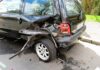
After a car accident, many people focus on vehicle damage and insurance paperwork while overlooking one of the most important factors in any injury claim: evidence. In California, fault, injury severity, and compensation are often determined by what can be proven, not just what happened. This is why drivers involved in serious collisions often consult GFF&F car accident lawyers early, before critical evidence is lost or overlooked.
Knowing what evidence to gather—and why it matters—can make a significant difference in how a claim unfolds.
Photos and Video From the Scene
Visual documentation is one of the most powerful forms of evidence after a crash. If it is safe to do so, take photos and videos immediately, before vehicles are moved and conditions change.
Important visuals include:
- License plates and vehicle positions
- Skid marks, debris, and road conditions
- Traffic signals, signage, and lane markings
- Weather and lighting conditions
In California, liability disputes often come down to vehicle positioning and right-of-way. Clear images taken at the scene can help reconstruct how the collision occurred.
Driver and Witness Information
Exchange information with all drivers involved, including:
- Full names and contact details
- Driver’s license numbers
- Insurance carriers and policy numbers
Equally important is identifying witnesses. Independent third-party witnesses carry significant weight because they do not have a financial interest in the outcome. Even a brief statement or contact information can later support or contradict competing versions of events.
Police Reports and Incident Documentation
When law enforcement responds to an accident, officers typically generate a traffic collision report. While not a final determination of fault, these reports often include:
- Diagrams of the crash
- Statements from drivers and witnesses
- Observations about road conditions or apparent violations
If police do not respond, California drivers can still file a report themselves in certain situations. Having an official record helps establish that the accident occurred as described.
Medical Records and Treatment Timeline
Medical evidence is central to any injury-related claim. This includes:
- Emergency room or urgent care records
- Diagnostic imaging results
- Follow-up visits and specialist evaluations
- Physical therapy or rehabilitation notes
Timing matters. Delays in treatment are frequently used by insurance companies to argue that injuries were minor or unrelated to the crash. Seeking prompt medical care and following recommended treatment creates a clear link between the accident and your injuries.
Proof of Lost Income and Daily Impact
Injury claims are not limited to medical bills. Evidence of how the accident affected your ability to work and function day-to-day is also important.
Helpful documentation includes:
- Employer statements confirming missed work
- Pay stubs showing lost wages
- Records of reduced hours or job restrictions
- Notes describing limitations on daily activities
In California, economic and non-economic damages are evaluated together. Clear documentation helps present a complete picture of the impact.
Vehicle Damage and Repair Records
Repair estimates, invoices, and photographs of vehicle damage help demonstrate the force of the collision. This can be especially important when insurers attempt to argue that injuries are inconsistent with “minor” damage.
In more serious cases, preserving the vehicle itself may be necessary, particularly when mechanical failure, defective parts, or severe impact is involved.
Digital and Electronic Evidence
Modern accident investigations increasingly rely on digital evidence, such as:
- Dashcam footage
- Nearby surveillance cameras
- Vehicle event data recorders
- Cell phone records, when relevant
This type of evidence can be overwritten or deleted quickly. Acting early increases the chances that it can be preserved if needed.
Why Evidence Collection Matters in California
California follows a comparative fault system, meaning compensation can be reduced if a driver is found partially responsible for an accident. Even small shifts in fault percentage can significantly affect a claim’s value.
Strong, well-organized evidence helps reduce uncertainty, clarify responsibility, and counter arguments that attempt to shift blame unfairly.
Key Takeaways for California Drivers
After a car accident, evidence fades fast. Skid marks disappear, memories change, and digital data can be lost. Taking thoughtful steps to document the scene, seek medical care, and preserve records can protect your interests and prevent unnecessary disputes later.
The actions taken in the hours and days following a collision often shape the entire outcome of an injury claim.
Want to know about Your Go–to Legal Guidance for Car Accident Cases in Bergenfield, New Jersey Check out our Accidents Law category.