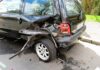
One bad second behind the wheel, a misjudged gap, a rolling stop, a distracted glance, and suddenly you’re navigating medical bills, insurance calls, and the unsettling question of what you’re actually owed. Here’s what most drivers don’t know: even a partial A fault in a collision can gut your compensation. That’s the quiet power of comparative fault for drivers, and it’s exactly why understanding comparative fault before you ever need it is so important.
In Pennsylvania, driver liability car accidentrules follow a specific legal framework. Miss it, and you could walk away with far less than you’re entitled to. If you drive through Philadelphia regularly, this isn’t abstract legal trivia; it’s financial self-defense.
What Actually Shapes Your Fault Percentage
Adjusters and courts don’t guess. They build a fault picture from specific, traceable evidence.
The Evidence Stack
Police reports set the initial tone, but they’re not the final word. Witness testimony adds layers. Dashcam footage, when it exists, often flips a case entirely. Surveillance cameras near Philadelphia intersections have quietly become one of the most valuable evidence sources in local accident claims.
Behavior Under Scrutiny
Distracted driving, speeding, failing to signal, ignoring weather conditions every one of these raises your fault percentage. An icy February morning on Philly streets doesn’t automatically excuse you if you were driving too fast for conditions. Adjusters absolutely notice.
The Social Media Trap
This one catches people off guard constantly. Posting anything about your accident online even a casual story or a throwaway comment can surface as evidence. Insurance companies monitor social platforms. It sounds invasive because it is. Stay off social media entirely after a crash.
Practical Defense Strategies Worth Knowing
Right after a collision, resist the urge to move vehicles unless absolutely necessary for safety. Photograph skid marks, damage placement, and road conditions while everything is still fresh. That evidence evaporates fast.
If the adjuster’s fault assignment feels wrong, push back. You have every right to. A skilled Philadelphia Personal Injury Lawyer can help review the evidence, challenge inaccurate fault claims, and work with accident reconstruction experts when conclusions do not fully match the facts. Expert witnesses can speak to road conditions, vehicle dynamics, and driver behavior in ways that carry real courtroom weight.
Getting qualified legal support early isn’t aggressive — it’s responsible. Critical evidence doesn’t wait.
The Essentials: How Comparative Fault Actually Works
Pennsylvania uses a modified comparative fault system. That distinction, modified, not pure, carries serious financial weight. Worth understanding.
Pure vs. Modified: Why It Matters
Under pure comparative fault, you can technically recover damages even if you’re 99% responsible. Pennsylvania’s system draws a harder line.
Here, comparative negligence in car accidents runs on a 51% bar rule. Cross that threshold, meaning you’re found more than half at fault, and you recover nothing. Stay at 50% or below, and you can still collect, though your award shrinks proportionally. It’s a high-stakes sliding scale.
A Philadelphia Street-Level Example
Picture this: a driver pushes through a yellow light near Broad Street and gets T-boned by a speeding car. A court decides the first driver is 30% at fault. If total damages hit $100,000, they walk away with $70,000. The math is straightforward. The stakes, though, are anything but.
How Fault Percentages Hit Your Wallet
Understanding how comparative fault works in theory is one thing. Watching it affect a real payout is something else entirely.
Insurance companies don’t wing it. They dig into evidence of your speed, your lane position, phone records, witness accounts, and assign percentages. Every point they pin on you shrinks your check by the same amount.
Research from ScienceDirect found that in some states, out-of-state drivers had 18%–93% increased odds of being at fault for a single-vehicle crash sciencedirect.com. Even road familiarity factors into how liability gets distributed. That’s a level of granularity most drivers never see coming.
In Philadelphia, specifically, multi-car pile-ups on I-95, rear-ends on Girard Avenue, intersection disputes across Center City, and fault-sharing fights are everywhere. Insurers scrutinize every detail they can find.
Navigating the Claims Process After a Crash
Once an accident happens, the liability clock starts ticking immediately. The driver liability car accident claims process moves faster than most people expect.
Call 911 first. Document everything: photographs, video, road conditions, and weather. Grab witness contact information before the scene clears. And then: stop talking. Saying “sorry” reflexively, even out of politeness, can be twisted into an admission. Don’t do it.
Pennsylvania claims can stretch over several months, depending on complexity. Getting an attorney involved early means your evidence stays protected and your statements stay strategic.
Practical Tips for Protecting Your Compensation
Document relentlessly. Every angle of every vehicle, the road surface, the weather, the time. Write it all down while it’s fresh.
Don’t apologize. Don’t speculate. Don’t give recorded statements to the opposing insurer without an attorney present. These aren’t dramatic precautions; they’re just smart habits that prevent a higher fault percentage from landing on you unfairly.
Report your accident to your own insurer promptly. Delays raise flags and complicate timelines. Credibility matters throughout the entire process.
The Technology Reshaping Fault Assessments
Telematics devices and mobile apps now capture speed, hard braking, GPS routes, and driving patterns in real time. That data gets pulled into fault assessments whether you realize it or not.
Research published in Nature Communications (2024) found that vehicles equipped with Advanced Driving Systems generally have a lower chance of being involved in accidents compared to human-driven vehicles. Technology is genuinely reshaping how fault gets defined and contested.
Meanwhile, insurer social media monitoring keeps expanding. Platforms are regularly checked for posts that contradict injury claims or suggest reckless behavior. It’s a real, underappreciated exposure.
Real-World Outcomes: Philadelphia Fault Scenarios
| Scenario | Driver A Fault | Driver B Fault | Compensation Impact |
| Rear-end on I-95 | 10% | 90% | Driver A recovers 90% of the damages |
| Disputed red light | 40% | 60% | Driver A recovers 60% of the damages |
| Multi-vehicle pile-up | 55% | 45% | Driver A is barred from recovery |
Philadelphia verdicts consistently show this: solid documentation and early legal involvement shift outcomes. Drivers who arrive with strong evidence packages recover measurably more than those relying only on an initial police report.
Why Working with a Philadelphia Personal Injury Lawyer Changes Everything
You can dramatically shift your case outcome by partnering with a Philadelphia Personal Injury Lawyer who genuinely understands Pennsylvania’s modified fault rules. They know how to challenge inflated liability percentages and fight for what you actually deserve, not a discounted version of it.
Local knowledge matters here. A Philadelphia Personal Injury Lawyer understands regional courts, knows how local adjusters operate, and has relationships with credible expert witnesses who’ve handled these exact dispute types before. That familiarity can quietly tip a case in your favor.
A single consultation with a Philadelphia Personal Injury Lawyer costs you nothing but could protect everything. Don’t wait until after the insurance company’s first offer lands by then, you’re already playing catch-up.
Common Questions Philadelphia Drivers Ask About Comparative Fault
Yes, provided your fault stays at 50% or below. Your award reduces proportionally, but you remain entitled to recover under Pennsylvania’s modified comparative negligence rule.
Contributory negligence bars any recovery if you contributed even minimally. Comparative negligence allows partial recovery based on your share of fault. Pennsylvania follows comparative rules.
Police reports offer initial observations but aren’t binding. Insurers and, ultimately, courts make official fault determinations based on all available evidence.
Pennsylvania’s rules around comparative fault for drivers are clear on paper. Applying them to a real crash with real evidence, real-time pressure, and real insurers working against you is another matter entirely. Comparative negligence in car accidents can silently erode your compensation if you’re not careful and deliberate from the very first moments after impact.
Document thoroughly. Watch what you say. Get experienced legal help early. Philadelphia’s roads will surprise you; your legal protection shouldn’t be left to chance.