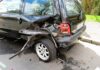
When you find yourself in a rear-end collision in Omaha, the steps you take immediately afterward can enormously impact your safety and any future claims. Start by ensuring everyone’s well-being and moving the vehicles to a safe spot if possible. The next actions you take are vital, as they involve documenting the accident thoroughly and exchanging necessary information with the other driver. So, how do you handle the situation effectively?
Ensure Safety and Check for Injuries
In the aftermath of a rear-end collision, ensuring everyone’s safety and checking for injuries should be your top priority. First, take a deep breath to calm yourself and assess the situation. Ask if you or any passengers are hurt. Look for obvious injuries and remember that some, like whiplash, might not be immediately apparent. If anyone is hurt, call 911 right away for medical assistance. Communicate clearly with others involved, making sure they’re okay. Avoid moving anyone who’s injured unless there’s an immediate danger, like a fire. It’s indispensable to stay as calm as possible to make sound decisions. Keep in mind, your composed actions can profoundly impact the wellbeing of everyone involved in the collision.
Move Vehicles to a Safe Location
After ensuring everyone’s safety, it is crucial to move the vehicles to a safe location if possible. This helps prevent additional accidents and keeps traffic flowing smoothly. If your car is drivable, turn on your hazard lights to signal other drivers and carefully maneuver to the side of the road or a nearby parking lot. Always be aware of your surroundings and watch for oncoming traffic.
If you can’t move your vehicle, stay inside with your seatbelt fastened until help arrives. Call the police to inform them of the situation and let them know the vehicles are immobile. Keeping the road clear minimizes further risks and makes it easier for emergency services to reach the scene, ensuring everyone’s safety and reducing the chance of subsequent incidents.
Read more : Why Drivers in Tacoma Turn to Lemon Law Attorneys for Help With Defective Cars
Document the Accident Scene
Someone should always take the time to document the accident scene thoroughly. It’s vital for both insurance claims and potential legal matters. Start by taking clear photos of the vehicles involved, capturing license plates, damage, and the surrounding area. Include any skid marks or debris, as these details can help recreate the incident later. Don’t forget to snap pictures of street signs or landmarks to fix the location.
Write down the time, date, and weather conditions, as these factors might impact what happened. Look around for any witnesses and note their observations. A quick sketch of the accident scene can also be useful. Remember, thorough documentation helps guarantee your side of the story is accurately represented and can support your claims.
Exchange Information With the Other Driver
Once you’ve thoroughly documented the accident scene, it’s time to exchange information with the other driver. This step is essential for a smooth claims process. Ensure you remain calm and courteous during this interaction. Here’s what you need to gather:
- Driver’s Full Name and Contact Information: Verify the spelling of their name and make sure you’ve got a working phone number.
- Insurance Details: Ask for the insurance company name and policy number. Double-check the information with their insurance card.
- Vehicle Information: Note the make, model, year, and license plate number of the other vehicle involved.
- Accident Location: Record the exact location, including street names or landmarks.
Keep everything organized, as it’ll be pivotal for your insurance claim.
Contact Authorities and File a Report
Although it might seem like a minor incident, it’s imperative to contact the authorities after a rear-end collision in Omaha. Doing so guarantees there’s an official record of the accident, which can be indispensable for insurance claims and legal matters. Call 911 if anyone is hurt or there’s significant damage. Otherwise, non-emergency numbers work for less severe cases. When the police arrive, provide them with accurate details about the incident. They’ll document the scene, interview witnesses, and create a report you can later obtain.
Filing a report is not just for your records; it can be essential evidence should disputes arise. Don’t skip this step, even if the other driver suggests handling things privately. Official documentation safeguards your interests and supports any future claims.
Frequently Asked Questions
You might wonder if you should notify your insurance company after a rear-end collision. The answer is yes. Even if the damage seems minor, it’s crucial to report it. Your policy likely requires you to inform them about any accidents. Failing to do so could complicate future claims or affect your coverage. Plus, your insurer can guide you through the claims process and help verify everything’s handled properly.
You’re wondering how long you’ve got to file a claim for damages. Typically, insurance companies prefer you to report an accident as soon as possible, often within 24 to 48 hours. However, Nebraska law grants you up to four years to file a personal injury lawsuit, but it’s wise not to wait that long for insurance claims. Check your policy for specific time limits and don’t delay contacting your insurer.
If the other driver’s uninsured, don’t panic. First, make sure everyone’s safe, then call the police to report the accident. Document everything by taking pictures and gathering witness information if possible. Contact your insurance company promptly; you might have uninsured motorist coverage, which can help. Keep all records and communications organized. It’s also wise to consult with a lawyer to explore all your options for compensation.
You might wonder if you can claim compensation when you’re partially at fault in an accident. In Nebraska, you can still pursue compensation under the comparative negligence rule, as long as you’re not more at fault than the other party. Your compensation might be reduced by your percentage of fault, though. It’s important to gather evidence and possibly consult with a legal professional to assess your situation accurately.
You should definitely seek legal advice after a rear-end collision. Even if it seems straightforward, there can be complexities you’re not aware of—especially if there’s any dispute about fault or injuries. Experienced Car Accident Lawyers in Omaha can help you understand your rights, navigate insurance claims, and ensure you’re not shortchanged. Plus, they can offer guidance tailored to your specific situation, protecting your interests and helping you avoid costly mistakes.
If you want to know more about How Truck Accident Lawyers Help You Maximize Compensation After a Crash, then visit our Accident Law category.