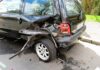
Highway driving often feels smooth and predictable, but that can change in an instant when traffic suddenly comes to a stop. These moments can catch even careful drivers off guard and quickly lead to dangerous situations if there is not enough time to react. In these kinds of accidents, an experienced car accident lawyer in Atlanta can help injured victims understand their rights and pursue fair compensation. That is why understanding safe driving habits before trouble happens is so important. Defensive driving gives you the awareness and control needed to respond calmly when the road ahead changes without warning.
Understanding Sudden Highway Stops
Highway traffic can come to a sudden stop for many reasons, often without much warning. It could be caused by accidents, road construction, heavy congestion, or even poor weather conditions that force drivers to slow down quickly. When this happens, drivers need to react fast because the speed difference between moving and stopped vehicles can easily lead to collisions.
What Defensive Driving Really Means
Defensive driving is all about staying aware of what is happening around you and expecting that other drivers might make sudden or unpredictable moves. It means keeping a safe distance, observing traffic patterns, and making decisions to help you avoid risks before they become problems. Instead of reacting at the last second, defensive driving focuses on staying prepared so you can respond calmly and safely.
Why Sudden Stops are so Dangerous
Sudden stops are dangerous because drivers often do not have enough time or space to react safely, especially on highways where speeds are high. This can quickly lead to rear-end collisions, which are among the most common types of highway accidents. The risk increases even more when drivers are distracted, follow too closely, or do not pay attention to the traffic flow ahead.
Keeping Safe Following Distance
Keeping a safe following distance gives you enough time to react when traffic slows down or stops unexpectedly. A good buffer between vehicles helps reduce the risk of rear-end collisions, especially at highway speeds where stopping takes longer. It also gives you more control and less pressure to brake suddenly, which makes driving feel calmer and safer overall.
Staying Alert and Minimizing Distractions
Being alert while driving means you are directing your full attention to the road and constantly observing how other drivers around you behave. Even small distractions, such as looking at your phone, adjusting controls, or thinking about something else, can slow your reaction time if traffic changes suddenly. If you limit distractions, you will most likely spot vehicles slowing down very soon and manage to react safely.
Reading Traffic Patterns Ahead
To anticipate traffic patterns, you need to look beyond the car in front of you and observe how traffic flows down the road. This will help you detect the early signs of vehicles slowing or stopping, so you’ll have more time to react gently rather than brake suddenly. The more you train yourself in this habit, the more natural it will become to you to foresee changes and be safer even in fast-moving highway situations.
Safe Braking Techniques During Sudden Stops
Being able to brake safely when making an emergency stop involves maintaining control and applying gradually increasing, continuous pressure rather than hitting the brakes hard. This way, your car won’t lose its balance, and your chances of skidding will be quite a bit lower, especially on highways where speeds are high. In addition, it makes the drivers behind you more likely to see what you are doing and have enough time to respond.
The Role of Weather and Road Conditions
Weather and road conditions greatly affect driving safety, especially when traffic suddenly decelerates or comes to a stop. Rain, fog, and slippery roads can reduce visibility; not only that, but they also make it harder for vehicles to brake swiftly. That means the probability of accidents goes up. Changing your pace and allowing more space in such circumstances will ensure that you are driving the vehicle properly and can react more safely to changes in the road that occur without warning.
How Defensive Driving Reduces Highway Accidents
Defensive driving plays a major role in reducing highway accidents by helping drivers stay alert, prepared, and in control even in fast-changing traffic conditions. Small habits can make a big difference in avoiding crashes and keeping everyone safer on the road.
Maintaining Awareness at All Times
Defensive driving keeps drivers focused on the road and aware of what is happening several vehicles ahead. This awareness helps you react earlier to slowdowns, hazards, or sudden stops before they turn into accidents.
Creating Safer Following Distances
Keeping enough space between your vehicle and the one in front gives you more time to brake safely. It also reduces the chance of rear-end collisions, which are very common on busy highways with sudden traffic changes.
Anticipating the Actions of Other Drivers
Defensive drivers are the ones who always assume other drivers can make mistakes or make sudden moves. That kind of mentality will enable you to be ready for any situation and steer clear of dangerous situations on the road, even if other drivers, in that moment, are unaware or careless.
Reducing the Impact of Distractions
Drivers’ response times to unexpected changes in traffic flow can be improved by limiting distractions, such as using a phone or multitasking. Remaining focused helps avoid missing early warning signs like brake lights or vehicles slowing down ahead.
Adjusting to Road and Weather Conditions
Defensive driving encourages motorists to slow down and be more cautious when driving in rain, fog, or heavy traffic. Such changes improve vehicle control and shorten the stopping distance on slippery or congested roads.
Supporting Safer Outcomes in Accidents
Even when accidents happen, defensive driving can reduce the severity of injuries and damage by lowering speeds and improving reaction time. In serious cases, consulting a car accident lawyer in Atlanta can help victims understand their rights and next steps after a collision.
Conclusion
Defensive driving is one of the simplest but most effective ways to stay safe on highways, especially when traffic suddenly stops without warning. By staying alert, keeping your distance, and anticipating what other drivers might do, you greatly reduce the risk of serious collisions. If an accident does happen, speaking with an experienced car accident lawyer in Atlanta can help you better understand your options and move forward with confidence.
Apart from that, if you want to know more about Colorado’s Aggressive Driving Laws then visit our Accidents Law category.