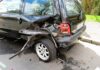
Moving day rarely goes exactly as planned. You’re juggling a loaded truck, unfamiliar roads, and a mental checklist a mile long. The last thing you expect is a collision. But accidents happen, and when they happen during a move, they can create a tangle of legal, financial, and logistical headaches that extend well beyond the fender damage. Knowing how to respond in those first moments and hours can protect your health, your belongings, and your right to compensation.
Why Moving Days Carry Unusually High Accident Risk
Moving days concentrate a specific combination of risk factors that don’t show up together in ordinary driving. Drivers are fatigued from loading and unloading, operating vehicles that handle nothing like their everyday car, and navigating through neighborhoods they may not know well. Add in the time pressure of a rental return window or a lease start date, and it’s easy for attention to slip.
Rental moving trucks are a particular hazard. They sit much higher than a sedan, have large blind spots on all four sides, and require significantly more stopping distance. The IIHS research on large truck crash patterns shows that blind spot issues contribute to tens of thousands of large truck crashes annually, and most rental truck drivers have had zero training on how to compensate for them.
Even if you’re driving your own vehicle while a friend or hired crew handles the truck, you’re still operating in higher-risk conditions. Distraction is a real factor: according to the NHTSA distracted driving data, 3,208 people were killed in distraction-affected crashes in 2024 alone. Coordinating a move by phone while behind the wheel puts you directly in that category.
Immediate Steps After a Crash During a Move
The steps you take in the first fifteen minutes after a collision are the same whether you’re in a rental truck or your personal vehicle. But the moving context adds a few wrinkles worth knowing about.
Check for Injuries and Call 911
Before anything else, assess yourself and any passengers for injuries. Adrenaline can mask pain, so even if you feel fine, don’t assume you’re uninjured. Call 911 if there’s any chance of injury. A police report matters enormously for insurance claims, and you’ll want that documentation whether the damage looks minor or not.
Document Everything at the Scene
Photograph both vehicles, all visible damage, license plates, road conditions, and any relevant signage or intersections. If there are witnesses, get their names and contact information before they leave. Note the time, weather, and your exact location. The more detail you capture immediately, the harder it becomes for another party to dispute what happened.
Notify Your Rental Company (If Applicable)
If you’re driving a rented moving truck, contact the rental company as soon as it’s safe to do so. They have their own reporting requirements, and failing to notify them in a timely way can complicate the insurance picture. Review the rental agreement carefully; the liability and damage waiver terms vary significantly between companies, and what you signed at pickup determines what coverage applies to the crash.
Sorting Out Liability When a Truck Is Involved
When a large vehicle like a moving truck is part of the collision, liability questions get more complicated. If you were driving the rental truck and hit another vehicle, the question becomes whether your personal auto insurance covers rental trucks, whether the rental company’s coverage kicks in, and how much each policy actually pays. Most personal auto policies do extend some coverage to rental vehicles, but trucks above a certain weight threshold are often excluded.
If a commercial truck hit you during your move, the liability picture shifts entirely. Accidents involving commercial trucks often implicate the carrier, the trucking company, and their insurers in ways that passenger vehicle accidents don’t. In states like Washington and Oregon, where major freight corridors run through densely populated areas, these cases are especially common and especially contested. Experienced truck accident attorneys can identify which parties bear responsibility and ensure you’re pursuing the full value of your claim, not just the easiest settlement the insurer offers first.
If you were involved in a collision where the other driver fled the scene, the situation calls for a specific legal response. The process for recovering compensation in hit-and-run crash situations differs from standard claims, and how quickly you act in the first hours matters significantly.
What Happens to Your Belongings
A car accident during a move raises a question most people don’t think about until it’s too late: who covers the items in the truck if they’re damaged in a crash? Your homeowner’s or renter’s insurance policy may extend to belongings in transit, but many policies exclude vehicles or have strict limits on items being moved. It’s worth a quick call to your insurer before moving day to confirm exactly what’s covered.
Say you’re relocating to Texas and a crash on I-10 leaves your truck undrivable two hours from your new apartment. Your belongings can’t stay in a damaged vehicle, and they can’t sit on the side of a highway. In that situation, having quick access to short-term self-storage units nearby can keep your items safe while you deal with repairs, insurance calls, and rescheduling.
If you hired a moving company rather than renting a truck yourself, their liability coverage applies separately. Most professional movers carry released-value protection by default, which reimburses only a fraction of the actual replacement cost. Full-value coverage is usually available as an add-on but must be arranged before the move, not after the damage happens.
Navigating Insurance Claims After a Moving Day Accident
Insurance claims that involve moving trucks tend to take longer than standard auto claims. Multiple insurers may be involved: your personal auto policy, the rental company’s coverage, the at-fault driver’s insurer, and potentially your homeowner’s or renter’s policy for the cargo. Each one will request its own documentation, and each one has an incentive to minimize what it pays.
Be cautious about providing recorded statements to insurance adjusters before you’ve had a chance to speak with an attorney, especially if you were injured. Adjusters work for their company, not for you, and early statements can be used to limit your claim. This is especially true in commercial truck cases, where the stakes are high, and insurers are experienced at managing costs.
For accidents involving large commercial vehicles, the claims process overlaps with questions about federal trucking regulations, driver logs, and vehicle maintenance records. These cases require specialized knowledge that goes beyond standard auto accident law. A closer look at delivery truck accident compensation claims illustrates why these cases are handled differently and why the documentation you gather at the scene matters so much.
Key Documents to Gather Before You File Any Claim
Before you contact any insurer, pull together the following documentation so you’re not scrambling for it later:
- The police report number and a copy as soon as it’s available
- Photos and video from the accident scene
- Contact information for all parties and witnesses
- Your rental truck agreement and any damage waiver documentation
- Medical records or a summary of any treatment received after the crash
- Receipts or estimates for vehicle and cargo damage
Having these organized before your first insurer call puts you in a much stronger position and reduces the back-and-forth that drags claims out for weeks.
Get Through the Crash So You Can Get Through the Move
A car accident during a move is stressful in a way that a regular crash isn’t, because everything that was supposed to happen that day is now on hold. The furniture still needs to end up somewhere. The keys still need to be turned in. The new apartment’s lease still starts when it starts.
Handling the accident correctly in the hours immediately after it happens is what keeps that stress from becoming a months-long legal and financial problem. Document thoroughly, report promptly, protect your medical record, and don’t rush to settle anything until you understand what you’re actually owed. If a commercial truck was involved or the damage is significant, talking to an attorney early costs nothing and can make a substantial difference in what you recover.
Apart from that, if you want to know more about Common Legal Mistakes People Make After a Public Place Accident then visit our Accidents Law category.