Navigating Your Professional Path: Strategic Career Guidance
Life often presents us with unexpected turns. Navigating these paths can be tough, especially when they involve our careers or complex legal issues. We understand the challenges you might face, from seeking professional growth to confronting difficult legal battles.
This guide is designed to help. We believe that with the right knowledge and support, you can make confident, informed decisions. We will explore how expert guidance can empower you through both professional development and intricate legal situations.
Our goal is to equip you with the information you need to seek the right help at the right time. Whether you’re at a career crossroads or facing a legal challenge, understanding your options is the first step toward a strong resolution.
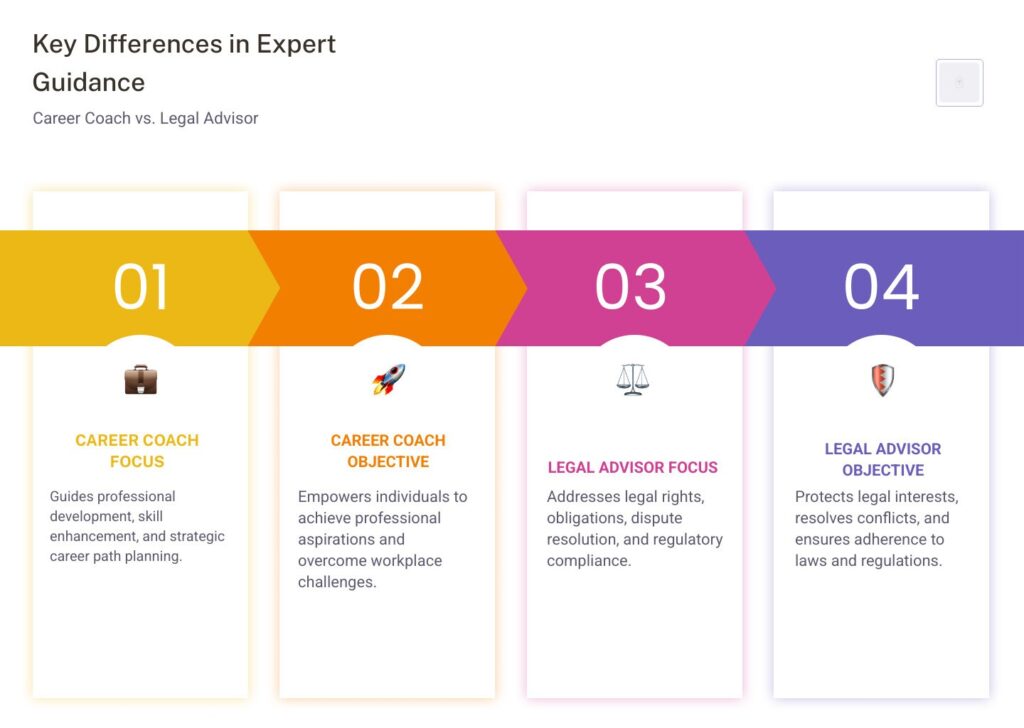

In today’s dynamic professional landscape, having a clear direction and the right skills is paramount. Strategic career guidance can be the compass that helps you steer complex choices, from identifying your strengths to securing your dream job. We believe in empowering individuals to take control of their professional journey through thoughtful planning, continuous skill development, and leveraging mentorship opportunities. Professional networking, for instance, opens doors to unforeseen opportunities and invaluable insights from industry leaders.
For those seeking to enter stable, in-demand fields, exploring options like Fast Medical Assistant Career Guidance can provide a clear and efficient path to a new profession. Specialized training programs offer focused education, equipping you with the practical skills needed to excel and make a meaningful impact quickly.
Identifying Your Career Goals
The foundation of any successful career path is a clear understanding of your goals. This involves a thorough self-assessment of your interests, aptitudes, and values. What truly motivates you? What kind of work environment do you thrive in? Once you have a clearer picture of yourself, industry research becomes crucial. Explore sectors and roles that align with your profile, understanding their growth potential and typical career trajectories.
We encourage setting both long-term visions and short-term objectives. A long-term vision provides the ultimate destination, while short-term objectives act as milestones, making the journey manageable and measurable. Regularly revisiting these goals ensures they remain aligned with your evolving aspirations and the realities of the job market.
When to Seek Professional Career Help
There are several junctures in a career where professional assistance can be particularly beneficial. If you find yourself at a career transition point, perhaps considering a complete industry change or moving into a leadership role, an expert can provide invaluable perspective and strategic planning. Similarly, feelings of stagnation, where growth opportunities seem limited, often signal a need for external input to identify new directions or skill gaps.
Professional career coaches can assist with skill development, helping you identify areas for improvement and recommending relevant courses or certifications that can enhance your skills. They are also adept at resume building, crafting compelling narratives that highlight your achievements, and providing effective interview coaching to boost your confidence. Furthermore, they can guide you through the intricacies of salary negotiation, ensuring you secure compensation that reflects your value and market rates.
Understanding Your Legal Rights: When to Seek Counsel

Life’s unpredictable nature means that at some point, you might encounter situations requiring legal expertise. Whether it’s a personal injury claim, a contract dispute, or navigating the complexities of family law, understanding your rights and obligations is crucial. The legal system, with its distinctions between civil and criminal cases, can be daunting for the uninitiated.
In many civil cases, particularly those involving harm or injury, the concept of negligence plays a central role. Proving negligence typically hinges on four key elements:
- Duty of Care: The defendant owed a legal duty to the plaintiff (e.g., a nursing home’s duty to care for its residents).
- Breach of Duty: The defendant failed to uphold that duty of care (e.g., inadequate staffing leading to falls).
- Causation: The defendant’s breach directly caused the plaintiff’s injury or harm.
- Damages: The plaintiff suffered actual, quantifiable harm as a result.
Understanding these foundational principles is the first step in recognizing when legal counsel is not just helpful, but essential.
Recognizing Situations That Require Legal Expertise
Many life events, unfortunately, can escalate into legal challenges. Accidents, whether on the road, at work, or in a public place, often involve questions of liability and compensation for injuries. Negligence, as discussed, is a broad category that encompasses many scenarios where one party’s carelessness results in harm to another. This can range from medical malpractice, where a healthcare professional’s error causes injury, to a property owner’s failure to maintain a safe environment.
Perhaps one of the most devastating scenarios is wrongful death, where a loved one’s passing is due to another party’s negligent or intentional actions. Financial exploitation, particularly prevalent among vulnerable populations, also necessitates legal intervention to recover stolen assets and hold perpetrators accountable. Breach of contract, whether in business dealings or personal agreements, can lead to significant financial losses if not addressed legally. In all these instances, the complexity of the law demands the guidance of an experienced attorney.
The First Step: The Legal Consultation
When faced with a potential legal issue, the initial step is often a legal consultation. This first meeting with an attorney is critical for both parties. It allows you to explain your situation, and the lawyer to assess the merits of your case and outline potential courses of action. Many personal injury attorneys offer free consultations, providing an opportunity to understand your options without an immediate financial commitment.
Before your consultation, we recommend gathering all relevant documents. This might include medical records, accident reports, contracts, or any correspondence related to your issue. Prepare a list of questions you have for the attorney. This ensures you cover all your concerns and get the most out of the meeting. Attorney-client privilege protects the confidentiality of your discussions, allowing you to speak openly and honestly about your situation.
The Intersection of Career & Legal Guidance

The line between professional and personal life often blurs, especially when legal challenges arise. Workplace disputes, for instance, can severely impact one’s career trajectory and mental well-being. Issues like professional liability, whistleblower protection, or navigating the intricacies of non-compete agreements require a nuanced understanding of both career implications and legal ramifications.
Professionals in high-stakes industries must be particularly vigilant, as issues can escalate to serious allegations. In such complex situations, consulting with specialists like Los Angeles white collar crime attorneys becomes essential for protecting one’s career and freedom. The consequences of legal missteps in these areas can be far-reaching, affecting not just your current employment but also your future professional opportunities and reputation.
Protecting Your Livelihood: Career & Legal Guidance for Professionals
Your professional livelihood is a valuable asset that needs protection. Allegations of defamation, for instance, can tarnish your reputation and make it difficult to secure future employment. Similarly, issues related to professional licenses, such as complaints filed with regulatory bodies, can jeopardize your ability to practice your chosen profession. Ethics complaints, whether founded or unfounded, demand a careful and strategic response to safeguard your career.
When facing such allegations, knowing how to respond effectively is paramount. Legal counsel can guide you through these processes, ensuring your rights are protected and your professional standing is maintained. Furthermore, in situations involving employment termination, understanding your rights regarding severance agreements and negotiating favorable terms can significantly impact your financial stability during a transition period.
Managing Personal Crises: The Need for Career & Legal Guidance
Personal crises, such as caring for an ailing family member or dealing with a personal injury, often have significant professional implications. Understanding your rights under laws like the Family and Medical Leave Act (FMLA) is crucial for taking necessary time off without jeopardizing your job. Requesting accommodations for disabilities or health conditions, whether for yourself or a loved one, also requires navigating legal frameworks to ensure your employer meets their obligations.
The stress associated with personal crises can impact your productivity and focus at work. Having expert legal and career guidance during these times allows you to manage the situation effectively, minimizing the negative impact on your job. We believe that by proactively seeking support, you can steer these challenging periods with greater confidence and resilience, ensuring both your personal well-being and professional stability.
A Deeper Dive: Handling Complex Negligence Cases
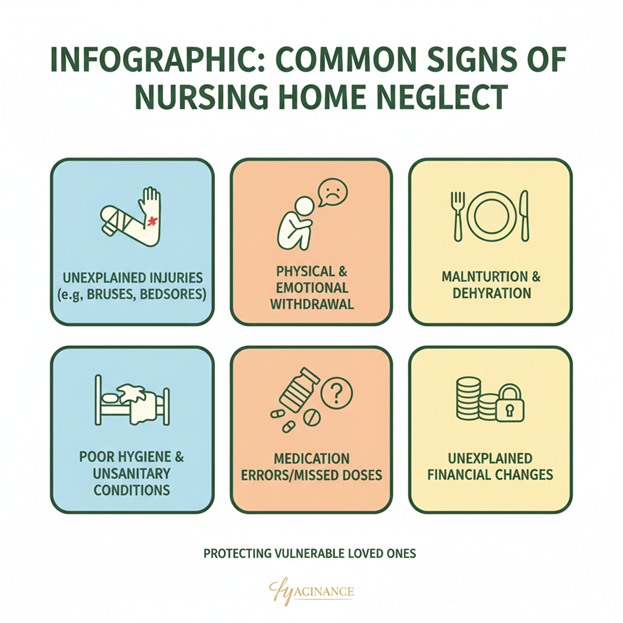
When we entrust the care of our loved ones to nursing homes or long-term care facilities, we expect them to receive the highest standard of care. Unfortunately, instances of elder abuse, nursing home negligence, and medical malpractice are far too common. These cases are particularly complex because the victims are often vulnerable, unable to communicate their suffering, or fearful of retaliation.
Proving negligence in these settings requires meticulous investigation and a deep understanding of the legal and medical standards of care. This involves demonstrating that the facility or its staff failed in their duty, and that this failure directly led to harm. The consequences of such negligence can range from severe injuries like bedsores and falls to malnutrition, dehydration, and even wrongful death. When families suspect a loved one has been harmed, the path to justice can be daunting. Securing aggressive nursing home lawsuit guidance is a critical step in holding negligent facilities accountable and navigating the intricate legal process.
The Process of a Negligence Lawsuit
Initiating a negligence lawsuit, especially against a nursing home, involves several structured stages designed to ensure a fair and thorough legal process.
- Investigation: This initial phase is critical. It involves gathering all available evidence, interviewing witnesses, and consulting with medical experts to determine if negligence occurred and to what extent.
- Filing a Complaint: Once sufficient evidence is compiled, a formal legal complaint is filed with the appropriate court. This document outlines the allegations against the nursing home and the damages sought.
- Findy Phase: Both sides exchange information and evidence. This can include written questions (interrogatories), requests for documents, and depositions (under-oath questioning of parties and witnesses).
- Settlement Negotiations: Many cases are resolved through negotiation, mediation, or arbitration before reaching trial. Both parties attempt to get a mutually agreeable settlement to avoid the time and expense of a trial.
- Trial: If a settlement cannot be reached, the case proceeds to trial, where a judge or jury hears the evidence and renders a verdict.
Throughout this process, the collection and preservation of evidence are paramount. Key evidence to gather in a negligence case includes:
- Medical records: These document the resident’s health status, treatments, medications, and any injuries.
- Photographs and videos of injuries or conditions: Visual evidence can powerfully illustrate the extent of harm or neglect.
- Witness statements: Accounts from other residents, family visitors, or even former staff can provide crucial insights.
- Official inspection reports: Reports from state regulatory bodies often highlight past violations or deficiencies at the facility.
It’s also important to be aware of the statute of limitations, which is the legal deadline for filing a lawsuit. These deadlines vary significantly by state and type of case (e.g., personal injury versus wrongful death), often ranging from one to three years from the date of injury or the date of finding negligence. Missing this deadline can permanently bar your right to pursue a claim.
Understanding Compensation and Damages
When a lawsuit is successful, either through a settlement or a trial verdict, the goal is to secure compensation for the harm suffered. This compensation, known as “damages,” can cover a range of losses:
- Medical Expenses: This includes past and future costs associated with treating injuries caused by negligence, such as hospital stays, doctor visits, medications, and rehabilitation.
- Pain and Suffering: This non-economic damage compensates for the physical pain, emotional distress, mental anguish, and loss of enjoyment of life experienced by the victim.
- Punitive Damages: In cases of egregious or malicious negligence, courts may award punitive damages. These are not meant to compensate the victim but to punish the negligent party and deter similar conduct in the future.
- Wrongful Death Claims: If negligence leads to a resident’s death, surviving family members may file a wrongful death claim. This can cover funeral and burial expenses, loss of companionship, and financial support the deceased would have provided.
The average settlement amounts in nursing home lawsuits for severe harm can vary widely, but often range from hundreds of thousands to over a million dollars, depending on the severity of damage, the jurisdiction, and the strength of the evidence. For instance, national statistics indicate that average awards for severe harm can be around $400,000, with some cases exceeding $1 million. These figures underscore the serious nature of these claims and the significant impact they have on victims and their families.
Frequently Asked Questions about Expert Guidance
Determining whether you need a lawyer versus general advice often comes down to the stakes of the situation. If you’re facing potential financial loss, physical harm, criminal charges, or complex legal obligations, a lawyer is almost certainly necessary. For example, if you’ve been injured in an accident, a lawyer can help you steer insurance claims and seek compensation. If you’re facing a contract dispute that could impact your business, legal counsel is essential. For less critical issues, or to understand your options, initial advice from a legal aid service or a free consultation might suffice. However, if the situation feels overwhelming or has significant potential consequences, always err on the side of seeking professional legal representation.
A lawsuit is the formal legal process initiated when one party (the plaintiff) files a complaint against another party (the defendant) in court. It involves a series of steps, including finding, motions, and potentially a trial, where a judge or jury makes a final decision. A lawsuit is a public process and can be lengthy and expensive.
A settlement, on the other hand, is a mutual agreement reached between the parties involved in a dispute to resolve their differences outside of a trial. This can happen at any stage of a lawsuit, even before a complaint is formally filed. Settlements typically involve one party agreeing to pay compensation to the other, often in exchange for the other party dropping the lawsuit. The primary advantage of a settlement is that it avoids the uncertainty, cost, and time commitment of a trial, offering a more predictable and often quicker resolution.
Concerns about cost are common, but various options make expert guidance accessible. For legal help, many personal injury attorneys, including those specializing in nursing home lawsuits, work on a contingency fee basis. This means you pay no upfront legal fees, and the attorney only gets paid if they win your case, typically taking a percentage of the settlement or award. Other legal matters might involve flat fees for specific services (like drafting a will), or hourly rates. Many firms also offer free consultations to assess your case. For career guidance, some coaches offer payment plans or tiered service packages. Researching these options and discussing them openly with potential advisors can help you find affordable support that fits your budget.
Conclusion
Navigating the complexities of both your professional journey and potential legal battles requires a proactive approach and a willingness to seek specialized help. We’ve explored how strategic career guidance can empower you to achieve your professional aspirations, while expert legal counsel is indispensable for protecting your rights and securing justice in challenging times. By understanding your options, recognizing when to seek help, and leveraging available resources, you can make informed decisions that empower you. Taking control of your career and legal outcomes is not just about reacting to circumstances, but about thoughtfully planning your path and ensuring you have the support needed to succeed.
Apart from that if you want to know about Legal Leadership then please visit our Legal Advice Category.