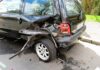
The most important evidence in a car accident case is proof that shows who was at fault and how the injuries affected the victim. Strong evidence connects the accident to the damages clearly and directly. Without solid proof, even a valid claim can be denied or reduced.
Insurance companies and courts rely heavily on documentation, records, and witness statements to decide claims. That is why understanding what evidence matters most can answer many frequently asked questions people have after a crash.
If you have been involved in an accident, gathering the right evidence early can make a major difference in the outcome of your case. Below, we explain which types of evidence carry the most weight and why they matter.
Police Reports: The Official Record
One of the most valuable pieces of evidence is the police report.
When officers respond to an accident, they document:
- The date, time, and location
- Names and contact information
- Insurance details
- Statements from drivers and witnesses
- Initial observations about fault
While a police report is not always the final word on who caused the crash, insurance companies often rely on it heavily. Judges and juries also view it as an objective summary of what happened.
For this reason, always request a copy of the report as soon as it becomes available.
Photos and Videos: Visual Proof
Next, visual evidence is extremely powerful.
Photos and videos taken at the scene can show:
- Vehicle damage
- Road conditions
- Traffic signs and signals
- Skid marks
- Weather conditions
- Visible injuries
Pictures provide clear, time-stamped proof of the situation immediately after the accident. Unlike memory, photos do not fade or change.
Dashcam footage or nearby security cameras can also strengthen a case. In some situations, video evidence clearly shows how the collision happened, leaving little room for dispute.
Medical Records: Linking Injury to the Accident
Medical documentation is essential in any injury claim.
Medical records show:
- The type of injury
- The severity of the injury
- The treatment received
- The cost of care
- The long-term impact
To build a strong case, you must show that the accident directly caused your injuries. If there is a delay in seeking treatment, insurance companies may argue that the injuries were unrelated.
Therefore, seek medical care as soon as possible after an accident. Follow all treatment plans and keep copies of bills, prescriptions, and doctor notes.
Witness Statements: Independent Accounts
Witnesses can provide unbiased accounts of what happened.
Independent witnesses—those who do not know either party—are especially valuable. Their statements can confirm:
- Who had the green light
- Whether someone was speeding
- If a driver was distracted
Because accident scenes can be chaotic, having a neutral person confirm details can strengthen your credibility.
If possible, collect witness names and contact information at the scene.
Expert Testimony: Explaining Complex Details
In more serious or disputed cases, expert testimony may be necessary.
Experts may include:
- Accident reconstruction specialists
- Medical professionals
- Economic experts who calculate lost wages
For example, an accident reconstruction expert can analyze skid marks, vehicle damage, and impact angles to determine fault.
While expert testimony is not needed in every case, it can be crucial when liability is unclear or injuries are severe.
Financial Records: Proving Damages

An accident case is not only about proving fault. It is also about proving damages.
Financial records may include:
- Medical bills
- Lost wage documentation
- Repair estimates
- Receipts for out-of-pocket expenses
These records help calculate the total value of the claim.
In addition, keeping a personal injury journal can support claims for pain and suffering. Writing down daily symptoms and challenges creates a clear record of how the injury affects your life.
Communication Records: Protecting Your Words
Finally, keep copies of all communications related to the accident.
This includes:
- Emails with insurance companies
- Text messages
- Claim letters
- Settlement offers
Avoid admitting fault or speculating about the accident. Even casual comments can be used against you later.
Maintaining organized records strengthens your position and protects your rights.
Key Takeaways
- The strongest evidence proves both fault and damages clearly.
- Police reports provide an official summary of the accident.
- Photos and videos offer powerful visual proof.
- Medical records connect injuries directly to the crash.
- Witness statements strengthen credibility.
- Financial documents prove the value of your claim.
- Acting quickly helps preserve important evidence.
Apart from that if you want to know about Common Mistakes People Make When Letting Someone Drive Their Car then please visit our Accident Law Category.