


Zyn lawsuits, produced by Swedish Match North America (SMNA), a subsidiary of Philip Morris International (PMI), have gained significant popularity as a smokeless, tobacco-free nicotine product.
However, this rise has been accompanied by legal challenges and regulatory actions concerning their marketing practices, health implications, and compliance with local laws.
This article delves into the multifaceted legal landscape surrounding Zyn, highlighting key lawsuits, regulatory responses, and the broader implications for public health and industry practices.
| Aspect | Details |
| Zyn lawsuits | Zyn’s lawsuit revolves around allegations that Swedish Match North America |
| Legal Challenges | Multiple lawsuits and regulatory actions against (SMNA) and Philip Morris International (PMI). |
| Allegations | Claims of deceptive marketing targeting minors and misleading advertising. |
| Violations of Flavored Tobacco Bans | Lawsuits in Washington, D.C., and San Francisco for selling flavored nicotine pouches in banned areas. |
| Antitrust Allegations | SMNA is accused of monopolistic practices and inflating consumer prices. |
| FDA Authorization | In January 2025, the FDA authorized 20 Zyn nicotine pouch products, citing lower harmful ingredient levels. |
| Deceptive Marketing | Lawsuits claim Zyn’s advertising and flavors appeal to underage users, falsely implying reduced risk. |
| Settlements | $45 million class action settlement; $1.2 million settlement with Washington, D.C. for flavored tobacco violations. |
Heading: Broader Legal and Public Health Controversies Surrounding Zyn
Beyond the specific lawsuits covered in this article, Zyn’s legal challenges reflect wider public health and regulatory concerns associated with nicotine pouch products. Multiple lawsuits and regulatory actions have accused Zyn’s manufacturers of deceptive marketing practices, particularly by promoting the products as “tobacco-free” while still delivering addictive nicotine, potentially misleading consumers about health risks and addictiveness. Some legal complaints allege that marketing strategies—including flavored varieties and social media presence—appeal to younger users and may contribute to underage use, prompting class action claims and government investigations. Additionally, authorities such as the U.S. Food and Drug Administration have taken action against retailers for illegal underage sales of Zyn products, underscoring ongoing scrutiny from both legal and public health perspectives.
Zyn Lawsuit
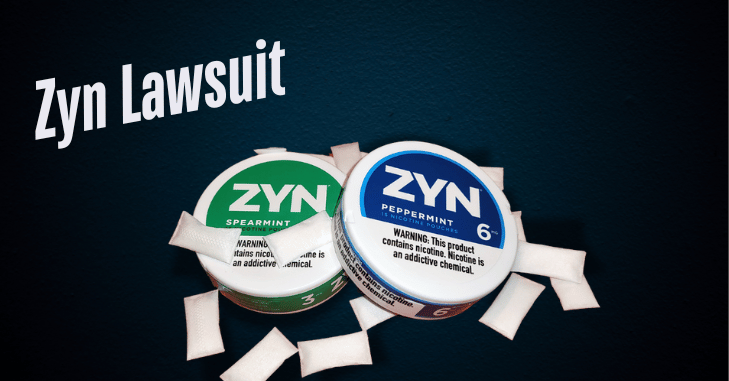
The Zyn lawsuit revolves around allegations that Swedish Match North America (SMNA), a subsidiary of Philip Morris International, engaged in deceptive marketing practices, mainly targeting minors with its nicotine pouches.
Several class-action lawsuits claim that Zyn’s packaging, flavors, and advertising strategies are designed to attract younger consumers. Additionally, regulatory bodies like the FDA have taken action against retailers selling Zyn to underage buyers.
Legal challenges also include violations of flavored tobacco bans in places like Washington, D.C., and San Francisco, leading to settlements and enforcement actions. Furthermore, an antitrust lawsuit accuses SMNA of monopolistic practices, alleging that it has unfairly inflated prices by eliminating competition.
While the FDA has authorized Zyn’s marketing, concerns remain about its long-term health impacts and potential appeal to teens, keeping the product at the center of legal scrutiny and public health debates.
Allegations of Marketing to Minors
Class Action Lawsuits
In recent years, several class action lawsuits have been filed against SMNA and PMI, alleging that Zyn nicotine pouches are marketed in a manner that appeals to minors. One notable lawsuit, filed in March 2024, contends that companies have advertised and sold “unreasonably dangerous” products without adequate warnings about the health risks of nicotine addiction.
The lawsuit asserts that the companies target underage buyers by marketing the small nicotine pouches—which “look like chewing gum.” On social media and selling them in a variety of “gum-like flavors,” such as wintergreen, peppermint, spearmint, and cinnamon.
The lawsuit further alleges that SMNA and PMI “purposefully target youth and naïve tobacco users” by advertising Zyn as “tobacco-free,” implying a reduced risk of addiction. Although Zyn pouches do not contain tobacco leaves, their nicotine content is derived from tobacco.
The complaint argues that Zyn pouches are the latest tool for tobacco companies to attract younger customers, continuing a historical pattern of designing nicotine delivery devices that appeal to adolescents.
Regulatory Scrutiny
Regulatory bodies have also taken action in response to concerns about underage access to Zyn products. In April 2024, the U.S. Food and Drug Administration (FDA) issued 119 warning letters and filed 41 civil money penalty complaints against retailers for the underage sale of various flavors of Zyn nicotine pouches.
The FDA emphasized that it is illegal to sell any tobacco product, including nicotine pouches, to individuals under 21. The FDA’s actions reflect ongoing efforts to monitor and enforce regulations to prevent youth access to nicotine products.
Despite data indicating that youth use of nicotine pouches has remained unchanged in recent years, the FDA remains vigilant due to reports of the potential increased popularity of these products among youth and their presence on social media platforms.
Settlements and Outcomes
$45 Million Class Action Settlement
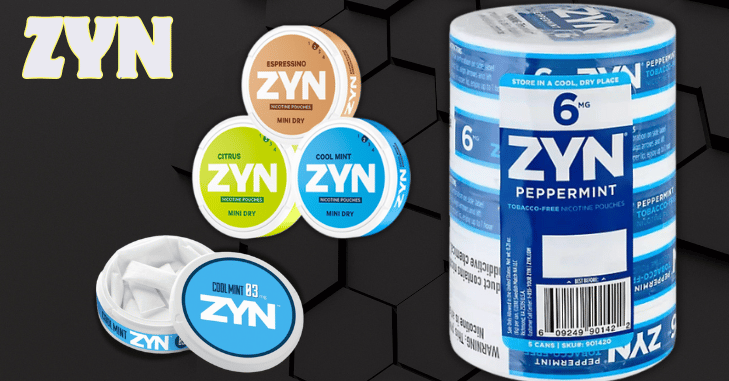
A preliminary settlement of $45 million was proposed in a class action lawsuit filed in California federal court in April 2024. The lawsuit sought compensatory and punitive damages for consumers misled by Zyn’s marketing claims5. Settlement terms include:
- Financial compensation for medical expenses and pain caused by Zyn’s use.
- Coverage of legal fees for claimants.
- Potential punitive damages to deter future deceptive practices5.
$1.2 Million Settlement with Washington D.C.
As mentioned earlier, SMNA’s settlement with Washington D.C. included financial penalties and compliance measures to prevent future violations of the flavored tobacco ban.
Violations of Flavored Tobacco Bans
District of Columbia Settlement
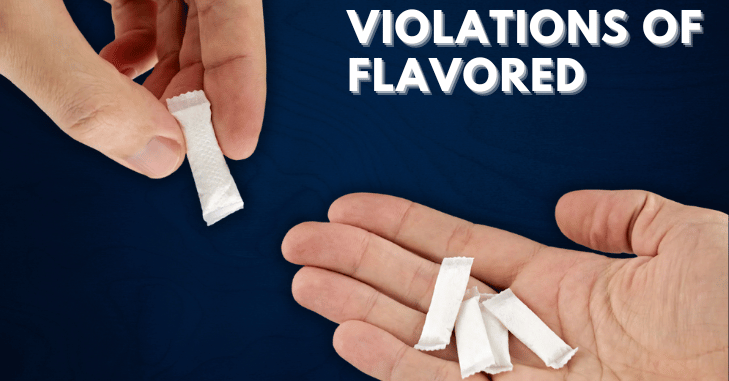
In December 2024, SMNA agreed to pay $1.2 million to settle an investigation by the District of Columbia Attorney General’s Office. The investigation found that SMNA facilitated the sale of tens of thousands of flavored Zyn nicotine pouches to D.C. consumers between October 2022 and June 2024.
As part of the settlement, SMNA must monitor its distributors’ compliance with the quarterly ban and cease online sales of flavored Zyn pouches through its website.
This settlement underscores the importance of corporate compliance with local regulations and the potential financial and reputational consequences of violations. It also highlights companies’ challenges in navigating varying rules across different jurisdictions.
San Francisco Lawsuit
Similarly, in September 2024, the San Francisco City Attorney’s Office filed a lawsuit against several online vendors, including those selling flavored Zyn nicotine pouches, for allegedly violating state and local laws designed to prevent youth nicotine addiction.
The lawsuit contends that these companies continued to sell flavored nicotine products online to San Francisco residents despite a citywide ban enforced since 2019 and a statewide ban enacted in 2022.
The legal action emphasizes the city’s commitment to enforcing flavored tobacco prohibitions and addressing concerns about the appeal of such products to young people. It also reflects broader efforts by municipalities to hold companies accountable for compliance with public health regulations.
Antitrust Allegations
In November 2024, a consumer lawsuit was filed in federal court in Richmond, Virginia, accusing SMNA of substantially overcharging U.S. customers for Zyn nicotine pouches. The lawsuit alleges that SMNA violated federal and state antitrust laws by attaining monopoly power through actions such as eliminating competition, including efforts to remove rival products from the market.
The plaintiff claims that SMNA’s practices have resulted in inflated consumer prices and seeks over $5 million in damages, as well as a court order requiring PMI to divest Swedish Match.
This lawsuit highlights the potential antitrust implications of market consolidation in the nicotine pouch industry and raises questions about fair competition and consumer pricing.
FDA Authorization and Ongoing Concerns
In January 2025, the FDA authorized the marketing of 20 Zyn nicotine pouch products, acknowledging that they contain “substantially lower amounts” of harmful ingredients compared to cigarettes and most smokeless tobacco products. The FDA determined that these products pose a lower risk of cancer and other severe health conditions.
However, the agency emphasized that this authorization does not mean the products are safe or “FDA approved.” It remains critical that the manufacturer markets these products responsibly to prevent youth use.
Despite the FDA’s authorization, concerns persist regarding the health implications of Zyn pouches and their popularity among teens. Experts caution that while Zyn may be a safer alternative compared to traditional tobacco products.
Potential Long-Term Impact on Nicotine Product Regulation
The legal proceedings involving Zyn may influence how future nicotine products are developed, marketed, and regulated. As lawsuits and regulatory reviews continue, manufacturers across the nicotine industry may face stricter expectations regarding product labeling, age-verification systems, health disclosures, and advertising practices.
Companies introducing new nicotine alternatives are also likely to invest more heavily in regulatory compliance and scientific research to demonstrate product safety and reduce legal risks. These developments could contribute to a more transparent marketplace while encouraging stronger consumer protections and greater accountability throughout the industry.
Conclusion
The legal challenges surrounding Zyn lawsuits pouches reflect a complex interplay of public health concerns, regulatory enforcement, and corporate responsibility. Allegations of marketing to minors, violations of flavored tobacco bans, antitrust issues, and ongoing debates about health risks underscore the multifaceted nature of this issue.
As the popularity of nicotine pouches continues to grow, manufacturers must navigate the regulatory landscape diligently, prioritize consumer safety, and ensure that their marketing practices.
Regulatory bodies must continue to enforce existing laws and adapt to emerging trends to protect public health effectively.
Apart from that if you want to know about “Prime Drink Lawsuit: Everything You Need to Know, Key Claims and Potential Outcomes” then please visit our “Legal Advice” Category.
FAQs
And because it was causing cancer of the mouth, gums, and throat, they outlawed it.
This is the first time nicotine pouches have been authorized for marketing by the U.S. Food and Drug Administration (FDA), which just approved the marketing of 20 Zyn nicotine pouches.
Nicotine exposure can impair adolescent and young adult brain development, which can result in addiction and other long-term issues.
Gingival damage and gum disease can result from long-term Zyns use.
While Zyn may pose fewer risks than smoking cigarettes, nicotine pouches can still have harmful effects, including addiction, elevated heart rate and blood pressure, oral health issues, and potential impacts on brain development in young people.







, a subsidiary of Philip Morris International.)