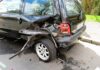
Driving without insurance in Texas carries far more consequences than most people expect. At first, it may seem like a simple ticket, something that can be paid and forgotten. In reality, the financial fallout can grow quickly, affecting everything from fines to driving privileges. The state treats uninsured driving as a serious risk to others on the road.
Texas requires drivers to carry minimum liability coverage because accidents can cause major costs. When someone is involved in a crash without insurance, those expenses shift to the individual instead of an insurer. This exposes drivers to significant financial strain, even when the damage seems minor. The penalties reflect how disruptive uninsured driving can be.
This is where a no insurance ticket in Texas becomes more than a citation, because it marks the beginning of a series of consequences that extend well beyond the initial fine. Understanding these effects helps drivers see why insurance is not only required but financially necessary.
Fines and Statutory Penalties
Texas imposes steep fines on uninsured drivers, and the cost increases with each violation. A first offense may seem manageable, but additional penalties quickly add up and can become overwhelming. These fines are designed to encourage compliance and protect other drivers from financial harm during accidents.
Courts may also add mandatory fees or require drivers to show proof of insurance before resolving the citation. Without timely compliance, the consequences may escalate. This can make a straightforward ticket grow into a larger obligation that takes time and effort to resolve.
These penalties function as a warning. They signal that driving without insurance disrupts the system designed to protect all motorists. Addressing the issue quickly helps prevent more significant financial strain.
Surcharges and Long Term Financial Effects
Beyond the initial fines, uninsured drivers may face additional surcharges that continue for years. These added costs make the total financial impact much higher than expected. Even after resolving the original citation, the driver may still owe recurring fees that strain their budget.
Insurance premiums often rise after an uninsured driving violation. Providers view these drivers as higher risk, which leads to increased rates. Over time, these higher premiums can exceed the cost of maintaining insurance in the first place, creating a long term burden.
These financial effects are not always visible at first. They build gradually, making the overall cost of driving without insurance much larger than a single ticket. Understanding these long term consequences helps drivers see the value of maintaining proper coverage.
Vehicle Impoundment or Suspension
In some situations, uninsured driving can lead to vehicle impoundment. When this happens, the driver must pay towing and storage fees before retrieving the car. These costs grow quickly, turning a single violation into a more expensive and stressful experience.
A license suspension may also occur, especially when someone repeatedly drives without insurance. Restoring driving privileges requires meeting specific conditions, such as obtaining proof of coverage or paying reinstatement fees. Failing to meet these conditions prolongs the suspension.
These consequences highlight how the system is structured to discourage uninsured driving. The impact reaches far beyond the initial citation, affecting a person’s mobility and finances until proper coverage is secured.
How Repeat Violations Increase Severity
Texas treats repeat violations more harshly than first offenses. With each additional incident, fines increase and the likelihood of license suspension grows. These penalties reflect the heightened risk uninsured drivers pose to others on the road.
Second and third violations can also lead to long term repercussions, including higher surcharges and stricter insurance requirements. The state may require special forms of coverage that cost more than standard policies. These obligations make compliance more expensive and more difficult to avoid.
Repeat violations show a pattern, and the state responds accordingly. Understanding how the consequences escalate helps drivers recognize the importance of maintaining continuous insurance coverage to avoid long term complications.
Conclusion
Driving without insurance in Texas carries consequences that extend far beyond a simple citation. Fines, fees, and long term financial burdens reflect how seriously the state treats uninsured driving. These measures aim to protect all motorists and ensure that accident costs do not fall unfairly on victims.
Once the full scope of penalties becomes clear, it is easy to see why maintaining insurance is the most practical choice. The long term effects of going without coverage often cost far more than the premiums themselves.
A no insurance ticket texas serves as a reminder of these risks. Addressing the issue quickly and securing proper coverage helps drivers avoid escalating penalties and regain confidence on the road.
If you want to know more about How a Wills Attorney Helps You Create a Legally Strong Will, then visit our Legal Advice category.